
Travel in France
Planning a journey through France can begin with a place, a type of landscape or a practical need. This guide brings those routes together. Use it to browse destination pages, explore broad travel themes and move from a national overview to more focused entries.
Start with geography
The Where to Go branch is the main route for browsing by place. It begins with regional pages and continues through departments and cities where those levels are available. This makes it useful for a traveller who has already chosen a city, as well as someone comparing several areas. Monuments, Nature Parks, Beaches and Parks & Gardens approach the collection by subject instead, so they can be used alongside the destination directory rather than in place of it.
Explore the guide
- Hotels: browse the accommodation directory.
- Where to Go: follow regional pages towards departments, cities and local places to visit.
- Monuments: find monuments, religious buildings and other historic sites.
- Nature Parks: explore regional, national and marine nature parks.
- Beaches: open the directory of beaches in France.
- Parks & Gardens: browse the parks and gardens branch.
- Restaurants: move into the restaurant listings.
- Thermal Spas: find thermal-spa destinations and establishments.
- Ski Resorts: browse the ski-resort section.
- Campsites: open the campsite directory.
Plan around practical needs
Hotels and Campsites lead to accommodation directories, while Restaurants provides a separate route into places to eat. Thermal Spas and Ski Resorts organise the collection around those specific travel purposes. These branches do not require a traveller to begin with a region, which is useful when the reason for a trip matters more than a fixed location.
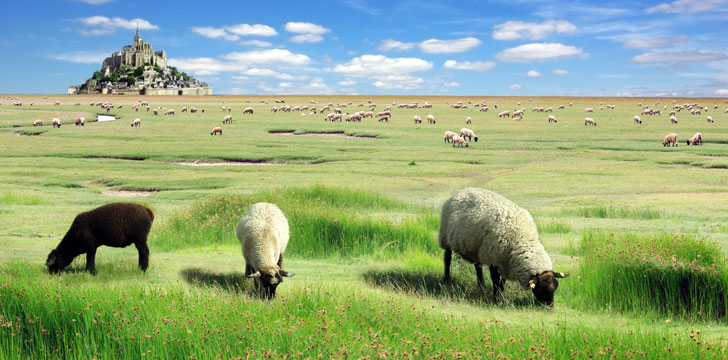
Mont Saint-Michel introduces the collection at national level. From here, each link moves to a narrower part of the English travel guide, whether the next decision concerns a destination, a landscape, a historic site or a practical place to stay.
Build a useful shortlist
Start with Where to Go when you already have a region or city in mind. Its regional routes help narrow a broad idea into a smaller geographic area. If the trip is being shaped around a particular interest, go straight to the matching thematic section instead. The two approaches can be used side by side: a destination page provides geographic context, while the subject directories offer a focused way to continue browsing.
One way to combine the branches is to choose a geographic page first, then open one or two subject directories. A city-based trip can use Monuments or Parks & Gardens as a second route through the collection. A journey focused on a protected landscape can begin with Nature Parks and use Hotels or Campsites separately for accommodation listings.
Individual entries contain different levels of detail because the guide covers many kinds of place. Treat them as a first step in planning, especially when details such as admission, access or availability may change. For time-sensitive information, check with the relevant venue, park or establishment before travelling. The structure keeps place-based browsing and practical directories available from the same landing page.