
Nature Parks in France
France's nature parks cover mountain, coastal, wetland and forest environments in mainland France and overseas territories. They include national parks, marine nature parks and regional nature parks. Each type has a different relationship with its landscape and with the people who live in or use it.
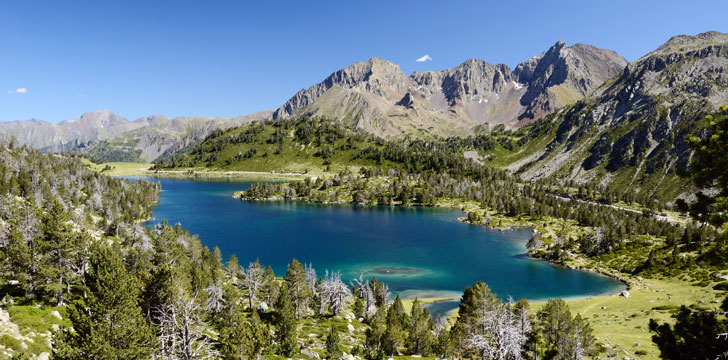
The landscapes represented include the Opal marshes, Armorique, the Ballons des Vosges and the Calanques. Together, France's parks form part of the country's natural heritage and provide a way to understand the variety of its protected environments. Use the links below to open every available English park guide.
National parks
View the National Parks overview →
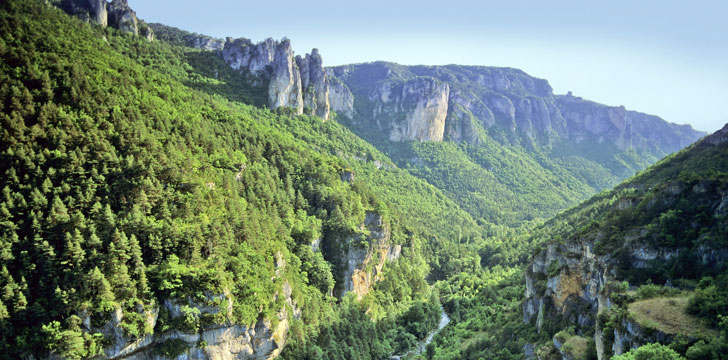
National parks are natural territories protected for the importance of their flora and fauna. Their purpose and management differ from those of inhabited regional parks and marine protected areas.
Choose an individual national park guide:
Marine nature parks
View the Marine Nature Parks overview →
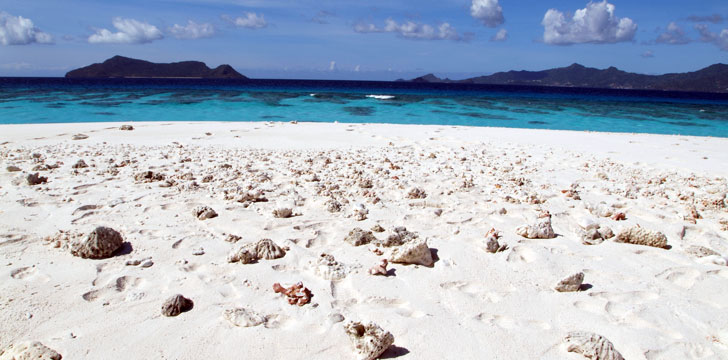
Marine nature parks cover sea areas where biodiversity and human activity are considered together. Activities are managed in relation to the habitats and species present, with the aim of avoiding damage to the marine environment.
Read the available individual marine park guide:
Regional nature parks
View the Regional Nature Parks overview →
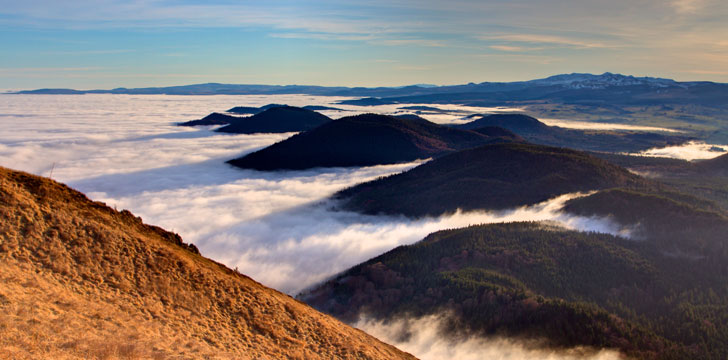
Regional nature parks are inhabited rural territories recognised for the quality of their landscapes, natural environments and cultural heritage. Local life and heritage remain part of the character of these areas.
Choose an individual regional park guide:
- → Camargue Regional Nature Park guide
- → Volcans d'Auvergne Regional Nature Park guide
- → Verdon Regional Nature Park guide
- → Narbonnaise en Méditerranée Regional Nature Park guide
- → Chartreuse Regional Nature Park guide
Plan a responsible visit
Access arrangements, local conditions and permitted activities vary between parks. Check the relevant park's current official information before travelling and follow instructions displayed at the site. Guidance for one park should not be assumed to apply to another.