Mayotte Marine Nature Park
Mayotte Marine Nature Park surrounds the island of Mayotte in the western Indian Ocean, between northern Mozambique and Madagascar. Created in 2010, it covers 68,381 km², roughly one tenth the area of mainland France. Most of that area is open water, but the park also takes in the island’s reef-lined coast, lagoon and mangroves. Mayotte became a French overseas department the following year.
Reefs, lagoon and mangroves
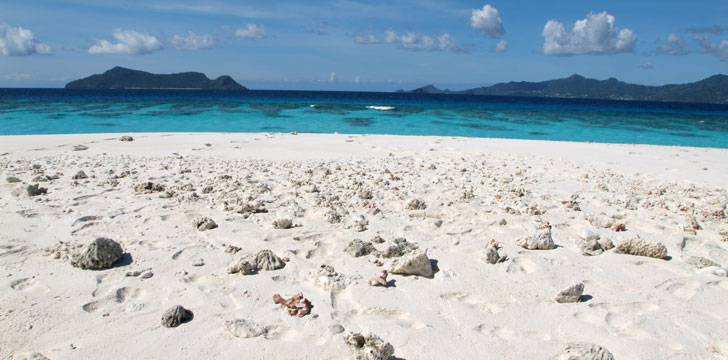
Reefs fringe almost the entire coastline. They shelter an extensive lagoon, and mangroves occupy protected coastal ground behind the lagoon system. The coastal sequence also includes seagrass beds and 7.3 km² of mangrove.
The park extends far beyond the nearshore lagoon, covering offshore water as well as coral habitat and sheltered coast. Its remit therefore includes water quality and mangrove management alongside the study of tropical marine ecosystems.
Marine and coastal life
More than 2,300 marine species have been recorded in the park’s waters, including about 750 fish species. The fish occupy offshore, reef, lagoon and mangrove environments. Nebrius ferrugineus, a shark that can exceed three metres in length, is among the species associated with the lagoon.
The marine mammal inventory exceeds twenty species, including humpback whales, dolphins and dugongs. Leatherback, hawksbill and loggerhead turtles also occur in these waters. At least 35 bird species have been recorded in mangroves and coastal islets, two of them endemic to Mayotte. Frogs and tree frogs use mangrove habitat too, and thirteen lizard species occur within the park.
More than 1,000 plant species have been recorded on Mayotte. Coconut palms, coffee plants, mango trees and baobabs are all present. This coastal and island vegetation falls within a protected area that includes the meeting point between terrestrial and oceanic habitats.
How the park came about
Work towards a marine park began in 2007, while Mayotte was preparing to become a department. The creation process involved the prefectures of Mayotte and Réunion and technical work by the local agriculture and forestry administration. A decree formally established the park in December 2010, making it France’s second marine nature park after Iroise, which had been created in 2007.
Seven objectives were set for the new park. They included improving knowledge of tropical marine ecosystems, maintaining water quality, managing mangroves and supporting professional fishing compatible with environmental protection. Public understanding of the marine environment was another part of the remit. The objectives also recognised natural, oceanic and human heritage, including subsistence activities linked to the sea.
Tropical seasons and responsible visits
Mayotte has a warm, humid maritime tropical climate, with temperatures generally between 24°C and 28°C through the year. The rainy season lasts from November to April; the drier season runs from May to October. Rainfall is moderate overall, although cyclones are possible. Rain is more frequent over the middle-altitude ground of Basse-Terre than on offshore Petite-Terre.
Season and local weather matter when planning time on the water or coast. Visitors should consult current local guidance and avoid disturbing reefs, mangroves, nesting birds, turtles and marine mammals.